Spring Trophy Fishing On Burntwood Lake

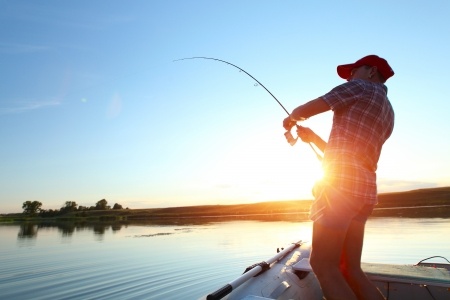
It is only March but you already have your upcoming May trip planned and all the accommodations have been made in anticipation of fruitful fishing on the great Burntwood Lake in Manitoba. Burntwood Lake boasts an amazing 1000 miles of rocky shoreline; weed beds, hidden reefs and is a superb lake for the fisherman who wants to try their hand at angling a huge Northern Pike or a catching a challenging Walleye.

Why May Is A Great Month For Spring FishingSpring Trophy Fishing On Burntwood Lake

May is by far the most optimal month to target and catch Northern Pike in the northern United States and southern Canada. After recuperating from spawning, the Northern Pike prowl the shallows for Panfish and Baitfish. With little weed growth accumulated, the Northern Pike don’t have all that many spots built for ambushing and they haven’t seen anything resembling a lure in at least six months. In conclusion, spring fishing for pike couldn’t get much better.

What About Walleye?

The Walleye are more likely to be found in the shallows come spring time. In the day, the male Walleyes might run into 3 to 4-feet deep of water, but in the cooler evening they are right back into 1 to 3-feet of water. This means you won’t have to fish more than a couple of feet from the shore and definitely not out in the middle of the open lake. Anglers, who prefer first class accommodations, and fishing for Northern Pike and Walleye can do no better than Burntwood Lake Lodge. At Burntwood Lake, we have the best Walleye fishing and it is second to none on the Trophy Northern Pike. If you haven’t setup your fishing package yet, there is still time! For more information or to schedule your stay, contact us today!   [msh_feedburner]  

Bear Hunting Tips

Bear Hunting Tips | Burntwood Lake Lodge As soon as the winter snow melts, we begin bear hunting season in Manitoba. From mid May though June – and again in the fall. While you are preparing for your big hunt, there are a few things you should keep in mind. There is a thrill in hunting big game, especially black bear, although, the adventure is not for everyone. Successful hunting is a science and more than a sport. A black bear yields approximately 30%of it weight in edible meat. Bear fat is also a great product generating a quality cooking liquid. Its coat is also a luxury prize. A successful bear hunt does not come easily. Previous hunting experience will serve you well and knowledge of this species and the environment will serve you even better. You should plan your hunt in an area you know well or engage the services of a qualified hunting guide. You will want to be well prepared with adequate hunting gear based on the probable weather for the area. Depending on where you are hunting the season is likely to be cold so your gear should be protective as well as functional. You need to be highly camouflaged and your clothing should be designed to minimize noise and block scent. The vision of a bear is similar to that of a human although they tend to be near-sighted. They do startle easily to movement so as a hunter, you need to be well hidden and extremely patient with restrained movement. Bear are also endowed with keen hearing. They will hear the rustle of your clothing, the squashing of your boot in the mud, and your conversation with fellow hunters. Again, clothing is key. A quality fleece is a fabric that is both warm and “crinkle-free” making it a good choice for any hunt. The bear was also gifted with a remarkable sense of smell which will require the skilled hunter to prepare long before donning the scent-blocking clothing. You should avoid deodorants, sprays, scented laundry detergents, and contact with domestic pets. All hunters should exercise care and safety. Make sure your gear is appropriate for the type of hunt and your clothing is properly fitting. Make sure that you are always downwind from where you expect to see bears. Be sure to hunt with a team and have a fully charged, long range communication mechanism on hand – remember you are hunting in a remote location; your cell phone might not have a signal. Bear hunting tours in Manitoba take place starting in May. Each tour lasts for seven days; so be prepared with plenty of necessities to last for a week or more.

Cooking Bear Meat

Bear Meat Recipes One of the most common questions about bear is: “Can I eat it?” Of course! It’s perfectly delicious and safe, if not unusual. Experienced hunters may even tell you that it’s a finer meat. Bear meat was a staple of the frontier explorers, and since the bear hunting season has been elongated by many U.S. states, hunters and foodies are on the prowl for interesting bear meat recipes.   It’s been called one of the more flavorful wild meats you’ll ever come across. When hunting bear, you will need to field dress it quickly and then keep it as cool as possible until it can be properly cut and stored. The butchering process is similar to how you would butcher a deer with steaks, roasts, and ground meat for burgers and sausages.  

Bear Roast

For a wonderfully tasty bear roast, cut garlic cloves and insert them into slits in the roast. Season the roast with salt and pepper and then marinade the roast in soy sauce, vegetable oil, an onion. You can add mushrooms as well. For three to four pounds of meat, cook the roast at 250 degrees for about four and a half hours (you want an internal temperature of at least 170 degrees).  

Bear Stew

Have you ever considered a bear stew? Sauté the meat in oil and then stir in some flour and seasonings (pepper, salt, and oregano). Add water, potatoes, and mushrooms. Bring to a simmer, cover it, and cook the stew for about 45 minutes.  

Bear Steaks

For mouthwatering bear steaks, try slicing a large onion and spreading with chili powder and sage. Place the onion pieces on both sides of the bear steak, spread the spices on the steak as well, and then refrigerate for about three hours. Brown on both sides, or cook until desired.   You’ll begin to wonder why restaurants aren’t offering bear!

Staying Warm in Cold Weather Hunting

  Cold Weather Hunting | Burntwood Once you’ve set yourself down in your tree stand and you’re practically dug in to wait the few necessary hours until the perfect shot happens to come across your path, the last thing you want to feel is Old Man Winter getting aggressive. It’s important to stay warm in cold weather hunting, not just due to common sense, but because you won’t want to ruin your preparations by having to go home early from the cold. Here are some suggestions to help keep you warm this season:  

EAT THE RIGHT FOODS

While eating healthy is obvious for a multitude of reasons, specific nutritious foods have been shown to work the best in cold weather situations. Having oatmeal for breakfast, peanut butter for lunch, and pasta for dinner will help sustain you. Since these foods are rich in complex carbohydrates, they break down slowly and keep you sustained.  

STAY IN SHAPE

Much like the previous suggestion, this is kind of a no-brainer, but staying fit can help you in more ways than the obvious. First, you don’t want to start sweating while in the tree stand, as many people believe the scent will keep the prey away. Second, the perspiration will eventually cool and dampen your underclothes, and if you’re sitting somewhere with a high wind chill then you’re risking your health. Keep your underclothes dry by avoiding perspiration while getting to your spot in the first place.  

LOOSEN THE BOOTS

You might think that you should strap your boots on as tightly as possible, but in actuality, once you’re set up in your stand, the opposite would be more beneficial. By loosening your boots you can improve blood flow and keep your feet warmer. Wear heavy socks and loosen the strings, then you’ll start to see the difference.  

HAVE THE RIGHT GEAR

Invest in camo made specifically for cold weather hunting. Cabela’s has a wide selection to choose from. As you know, think about layering up so you can adjust temperatures as needed. Look into fabrics that are moisture wicking. Looks for fabrics like wool to keep you warm and dry. Also be prepared to get snowed and rained on. Cabela’s also has a large selection of wet weather camo.

Hunting Seasons for Manitoba

Manitona Hunting Guidelines | Burntwood Lake The beauty of hunting in Manitoba is that the seasons never cease. Throughout the summer, fall, winter, and spring, there is always game to be hunted in our great forests. As wildlife populations ebb and flow, the seasons are expanded and contracted to fit the need. However in an average year, each season is steadily predictable. For further questions and information on hunting seasons, contact us or view the official Manitoba site. Here are some things to keep in mind about the 2014 hunting in Manitoba:

White tail deer

The season started at the beginning of September, so we’re well into the deer season. This year, the bag limit has been changed one buck per license. In addition, the government has lowered the party limit from four to two. Foreign hunters are not permitted. This is because the deer population is exceptionally low this year in the Manitoba area.

Elk

For general elk hunters, the restrictions are much the same as they have been in the past. They have changed from allowing one antlerless elk to a much looser “One Elk” rule. Both male and female moose can be hunted at a rate of one per license. Landowner season has also been cancelled.

Gray Wolf

Gray wolf season is back with a bag limit of one per license.

Hunter Laws

The restrictions on hunting wear have also recently changed to allow hunters to wear hats with non-orange brims. Hunter Orange must be the primary color on the rest of the head covering, however.   These laws are current as of October 2014, for a complete list of up to date hunting laws in Manitoba, visit the Manitoba Hunting Guide page.  

How To Get Your Kids Into Fishing

  Family Fishing | Burntwood Lake Lodge As individuals who have a great appreciation for the outdoors, it’s really important to us that our kids learn to find the same values in nature as we do. Whether it’s fishing, or boating, or hunting, or even just being outdoors; influencing your children to appreciate these same activities is essential. Starting your kids out with activities like fishing is a great way to get them to enjoy the outdoors. Fishing is safe, fun, and a really great bonding experience. Here are some tips on successfully getting your kids involved:  

Get them off technology

Before you hand your kids a video game, hand them a fishing pole. With new age technology and gadgets it can be hard to pry your kids aware from the screen, but in doing so, you can create amazing memories to be cherished for a lifetime. Fishing is one of those rare activities you can do with the whole family where every single person is involved and it’s peaceful enough to be able to enjoy each other’s company.  

Keep it simple

You want to simplify the first experience so that the focus is on catching with the gear that matches the age range and probable skill of the child. For ages four to six, you will want a short rod of no more than 5 feet in length and with a flip-bale spinning reel. Your local outdoors store will certainly sell age appropriate gear.  

Practice first

Before you head out on the water, have your child practice casting off in the backyard. This can save a lot of time and possible frustration on the boat later. Before you go out on the boat, practice off the dock.  

Start small

A local pond or slow-flowing River is a good start for a fishing location. These bodies of water are typically stocked with a variety of easy to catch fish. Don’t take your kids fishing and expect to hook enough fish to feed yourselves for the year. It’s more about the bonding, less about the success of catches. Your children might not want to stay out on the lake all day, and that is totally understandable. Remain patient and flexible.   As your child becomes a more skilled angler, you can venture out to different spots where harder to catch fish thrive.   Burntwood Lake Lodge is a great place to visit once your child has had some practice with fishing. To book your family fishing vacation, give us a call.

Hunting License Requirements for Manitoba Hunting

How to get hunting license manitoba Before you sign up for one of our Burntwood Lake hunting tours, you should find out if you are eligible for a hunting license in the Providence of Manitoba. Our laws are quite similar to those throughout the rest of Canada and the United States, but getting yourself organized is the best way to ensure that obtaining your license is an easy process. Here’s what you need to know about getting your hunting license in Manitoba.

Fees are included

The first thing you should know is that your hunting license fees are included in the price of our tours. So don’t worry about going ahead and getting one yourself. In addition to your license, each hunter is also guaranteed a trophy Bull Moose tag. Keep in mind that if you are hunting, your license will be specific towards the species that you are hunting.

Age

If you are a hunter 12 years or older, you are eligible to receive your hunting license in Manitoba.

Hunter’s Education Certificates

Whether you have the Manitoba Hunter Education Course Certification and Firearm Safety Training or a valid equivalent Hunter Education certificate from another jurisdiction, you will be eligible to obtain the necessary paperwork to lawfully hunt in Manitoba. United States citizens can use their state’s hunting permits as well.   All bear and moose game that is hunted during your tour with Burntwood will be capped and dressed for you. The price for your hunting tour also includes all government taxes. For more information on joining a Burntwood Lake hunting tour in Manitoba, Canada, visit our hunting page. Feel free to give us a call if you require additional information.

Live Bait Vs. Artificial Bait: Which is Better?

live vs artificial bait Many fishermen have used both live and artificial bait on various fishing trips; but a successful catch can depend on many different variables, so it may be difficult to tell which bait is actually more effective.   Though there are no absolute answers to this question; both types of bait have their pros and cons. If you are going to choose between one type or the other; you can make the most educated decision as to which is best for you by knowing the various advantages and disadvantages.   Artificial Bait/Lures   Fish naturally go for bait when they are hungry. Artificial lures have the ability to create certain physical actions that can lure fish even when they are not looking for food. This gives the fisherman more options to secure a successful catch.   There are lures that will vibrate and make noises that can be detected by fish from long distances; and topwater lures, like crankbait, which mimic the actions of a fleeing batfish. Artificial lures also allow fishermen to travel distances in large bodies of water while in search for a good location.   One artificial lure can last for many fishing trips tucked away in a tackle box; this is not an option when using live bait.   Live Bait   Of course, artificial lures are made to mimic live bait. This is why many fishermen prefer to use the real thing. They naturally have a scent that fish are drawn to. Avid fishermen know that there are some varieties of fish that will only react to live bait. This advantage makes live bait the preferable choice when fish simply are not biting, or waters are too cold.   Expense can be debated. Artificial bait can be used multiple times, if you have an unsuccessful outing; however, many varieties can be expensive to purchase. While live bait is often pretty cheap.   Though artificial lures can be reused, they often get lost and you will need to purchase more which can get costly over time. Live bait is the simplest to use, which makes them perfect for novices. It’s most fun to use live bait when teaching children to fish. You can even search for your own bait; which many outdoorsmen enjoy as a hobby.   In conclusion; both live and artificial bait will catch fish; you just need to find out which type works best for you.

The Ultimate Moose Burgers/Meatballs [Recipe]

recipe for moose meat After your hunt takes place, the best part is enjoying the fruits of your labor. Moose venison is high in iron and low in fat. Talk to your butcher about creating a variety of options from your moose meat. You can have it turned into steaks, ground, or jerky. Moose has a strong, gamey taste, and is a little tougher than beef, for instance. Therefore, grinding your moose meat and making it into burgers or meatballs with some other flavors is a great idea. Below, we include a recipe for preparing the ground meat for burgers or meatballs, whichever you prefer.   For this recipe, you’ll need:

3 pounds ground moose meat

¼ cup minced garlic

¼ cup soy sauce

½ cup honey

2 tablespoons garlic powder

3 tablespoons onion powder

1 ½ teaspoons chili powder

2 tablespoons canola oil

  Preheat your over to 350 degrees F.   First, stir together minced garlic, soy sauce, and honey in a small saucepan. After they are thoroughly mixed, add in the powders. Bring this mixture to a simmer over medium-high heat before reducing heat to medium-low and letting it cook at a low simmer for 15 minutes. Set aside.   If you are making meatballs, roll the ground moose into meatballs in portions equivalent to about 2 tablespoons. This recipe should make about 48 meatballs. Next, heat the canola oil in a large skillet over medium-high heat. Cook the meatballs in batches until browned and cooked through. Once your meat has drained, put your meatballs or patties into a baking dish. Pour the sauce over your meat and make sure it’s well coated. Bake the meat for about 20 minutes so it absorbs the sauce. If you are making burgers, put meat into patties and cook on the grill or as desired. For some amazing topping choices, go classic with BLT, or try avocado, onion rings, mushrooms. Try an alfredo sauce dressing – delicious! Enjoy! What are some of your favorite moose venison recipes?

Manitoba Tent Camping

Tent Camping | Burntwood Get ready for a world of fun with family and friends. Camping in Manitoba is extremely exhilarating and life changing. There are things here you will never see anywhere else. Become one with nature and hold on for a whirlwind experience. Just remember, when you decide to have a camping trip, you need to make sure you have the proper accommodations for you and your family or friends. You do not want to be in the middle of the wilderness to find out that you have a ten that is made for 5 people and you need sleeping space for 6. The truth about tent camping, is you really only use the tent for sleeping. You cannot shower, eat, or use the bathroom inside of a tent so you just want to make sure you are not overcompensating. It really is a balancing act between being comfortable and having too much gear to carry. When starting your search for the perfect tent you should first figure out how many people you want to have room for inside the tent. If you have a family of 4 you may want to plan on 6 just in case one of the kids wants to bring a friend. Now, plan on the other gear you will bring and plan on space for that. Of course, you will want to pack lightly as you will not want to carry it all, but you still want to have space inside your tent for safekeeping. Some places require you have your extra items locked up to keep you safe from the bears and the bears safe from your items. There are different styles of tents to choose from including bubble tents, tents with separate rooms, and hard outside tents.  Bubble tents are suitable for a couple people, up to maybe 4  but anything beyond that you need to have a bigger tent, bubbles can only go so high. If you have a family you may want to opt for a tent with a room divider so you and your significant other can have SOME alone time from the kids! Do your research and make the right choice for you and your situation.